
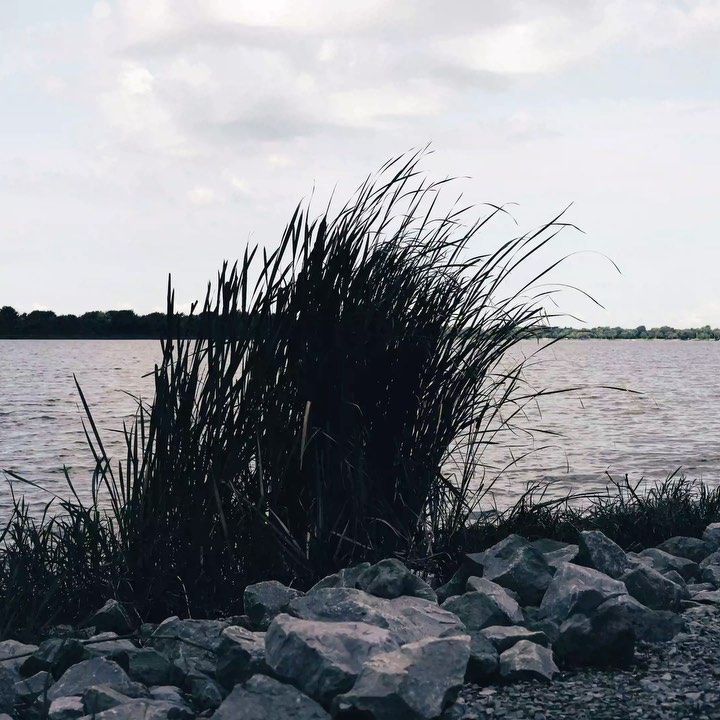
I drove to Horseshoe Lake in southern Illinois on a gray November afternoon mostly because I had heard about the geese. That turned out to be an understatement. The lake holds up to 150,000 Canada geese during winter migration, and when a significant portion of them decide to move at once, the sound carries for what feels like miles.
Horseshoe Lake is an oxbow — a former meander of the Mississippi River cut off when the river shifted course. The state of Illinois bought the first 49 acres in 1927 specifically to create a Canada goose sanctuary, and by 1928 the first geese arrived. The population grew from 1,000 birds that first year to 40,000 by 1944, and today the refuge supports one of the largest wintering concentrations of Canada geese in the region.
The lake sits in Alexander County in the far southern tip of Illinois, a part of the state that feels geographically and culturally more like the South than the Midwest. Cypress trees grow in the water along the edges. The landscape is flat and wide and quiet in a way that feels ancient.
Beyond the geese, the refuge records an impressive diversity of waterfowl and wading birds year-round. The first deer reintroduced into Illinois in 1933 were released here. In 1972, Horseshoe Lake Nature Preserve received National Natural Landmark designation. The history of conservation here is long and worth knowing. Go in November for the geese. Bring something warm.