
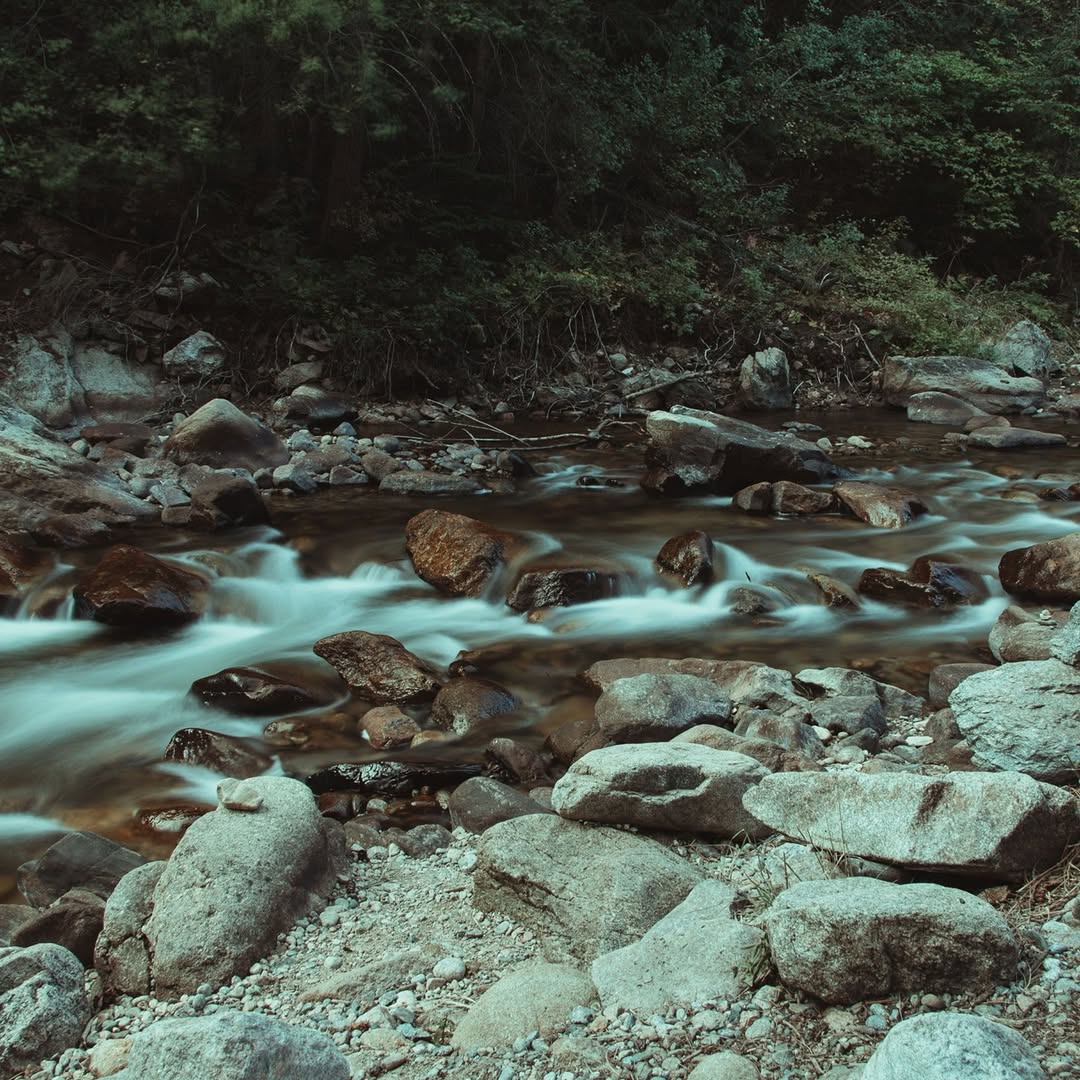
Roosevelt National Forest sprawls across north-central Colorado in a way that makes choosing where to go feel like the hardest part of being there. The forest encompasses 1.5 million acres and ten designated wilderness areas, from the Cache la Poudre watershed west of Fort Collins to the Indian Peaks and James Peak wildernesses above Boulder.
I came in through the Brainard Lake Recreation Area, which sits at the edge of the Indian Peaks Wilderness and offers some of the most accessible alpine hiking in the region. The trailhead parking is controlled in summer and requires a reservation — the price of proximity to the Front Range — but the trails themselves disperse quickly into terrain that feels genuinely backcountry.
The Indian Peaks are not the Rockies' most famous mountains, but they're among the most beautiful: compact, glacier-carved, with a density of high lakes and rocky cirques that rewards off-trail exploration. The Niwot Ridge area above Brainard Lake is a Long-Term Ecological Research site, which means the tundra has been studied continuously for decades. Walking on it feels more consequential knowing that.
The Poudre Canyon to the north is a completely different experience: a river gorge with easier access and more summer traffic. Camping in Roosevelt ranges from developed campgrounds at Peaceful Valley and Camp Dick to dispersed sites along forest roads where solitude is more achievable. The forest is large enough to absorb its visitors if you're willing to drive a few extra miles to find the quieter corners.