
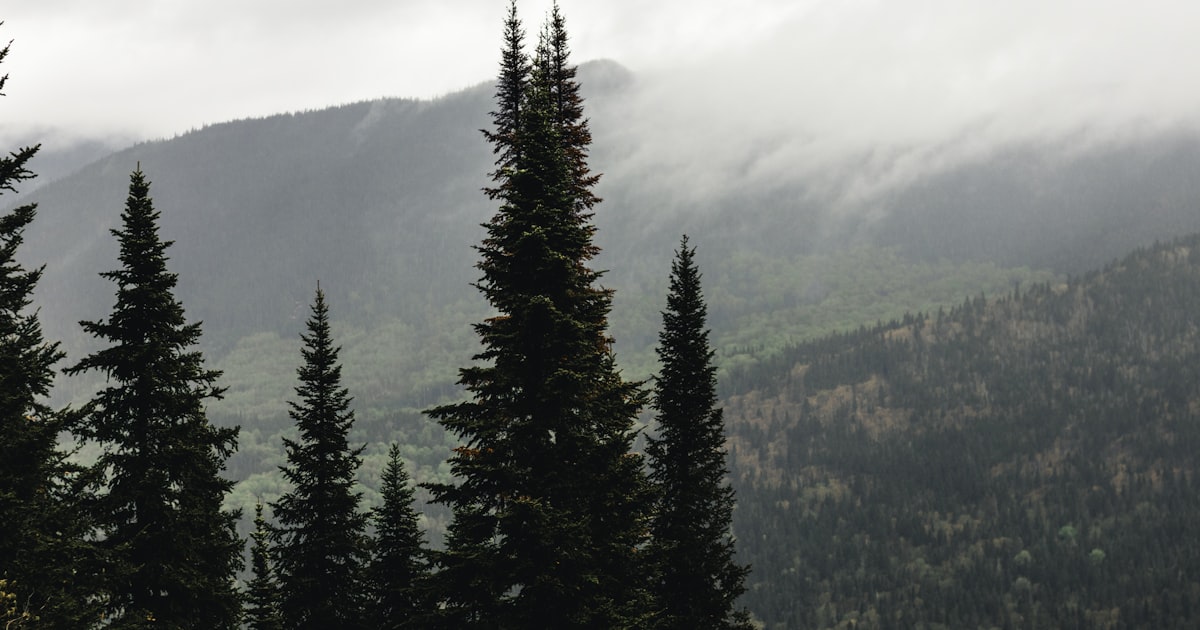
The Smokies earn their name. That soft blue haze that settles over the mountains — a natural phenomenon caused by volatile organic compounds released by the trees mixing with moisture — gives the whole range a layered, watercolor quality that photographs never quite capture. I went in early June, just before the summer rush hit its peak, and found the park in that sweet transitional state where the rhododendrons were blooming in bursts of purple and pink along the creek trails while the high ridges still held a cool, damp chill.
Great Smoky Mountains National Park sits on the border of Tennessee and North Carolina, and it's consistently the most visited national park in the country — more visitors annually than the Grand Canyon and Yellowstone combined. What that statistic doesn't tell you is why: it's accessible, free (no entrance fee, a rare thing), and genuinely beautiful across a range of experience levels. The park encompasses more than 800 square miles of Southern Appalachians, including some of the oldest mountains on Earth and the largest old-growth forest in the eastern United States. Some of these trees were ancient when Europeans first arrived on the continent.
The highlights are varied enough to suit almost any kind of visitor. Clingmans Dome, at 6,643 feet the highest point in the park, offers a panoramic view from a concrete observation ramp that feels a bit like landing on the moon — open, windswept, above the treeline. Cades Cove is the place to go for wildlife and history: an open valley ringed by mountains where white-tailed deer graze in fields framed by nineteenth-century homesteads, grist mills, and churches. The hiking is exceptional — Alum Cave Trail to LeConte Lodge, Rainbow Falls, Laurel Falls — most of it through dense, cathedral-like forest where the light filters through in shafts and the creek noise fills the air.
Gatlinburg, Tennessee sits at the main north entrance and is... an experience in itself. It's dense with tourist development but convenient, and once you're actually in the park the commercial noise falls away fast.