
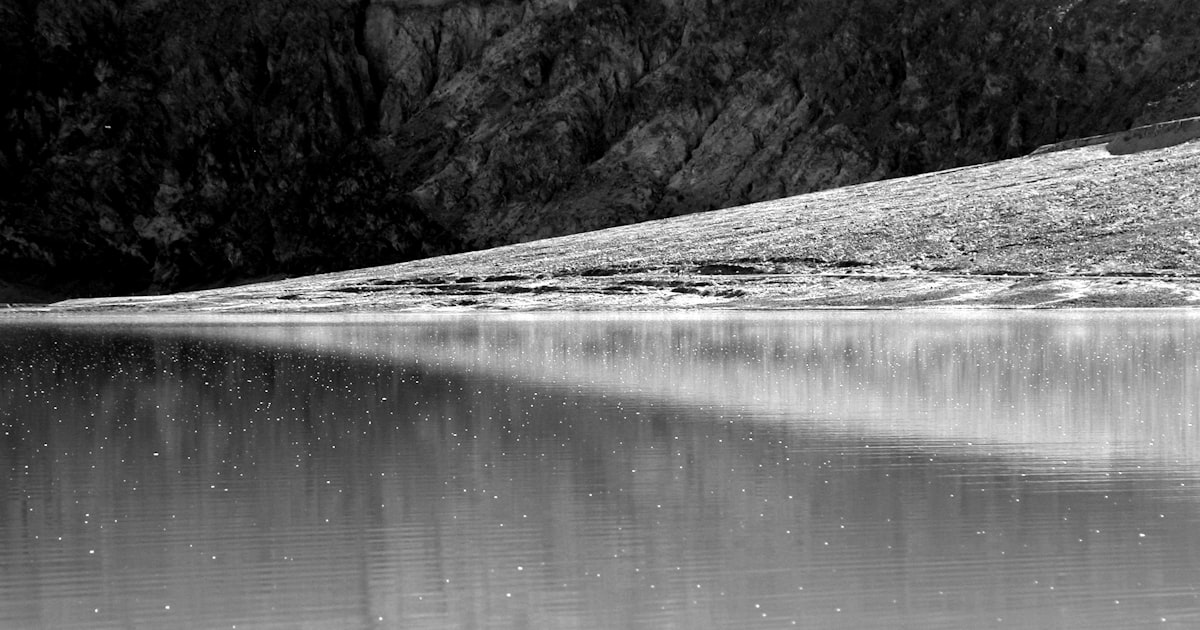
There's a particular kind of silence in Death Valley that you don't find anywhere else — not the quiet of forests or the hush of snow, but a total, baking stillness where even the air feels reluctant to move. I went in November, when the park becomes actually approachable, and even then it felt like stepping onto another planet entirely. The road into the valley drops you below sea level gradually, and you feel the shift more than you see it — the air thickening slightly, the sky somehow becoming bluer, the rock walls rising up on both sides in shades of red and tan and purple.
Death Valley sits in eastern California, just across the Nevada border, and it holds a remarkable collection of records: hottest reliably recorded temperature on Earth (134°F at Furnace Creek in 1913), lowest point in North America at Badwater Basin (282 feet below sea level), and — perhaps most surprisingly — one of the most starkly beautiful places I've ever been. The valley floor at Badwater Basin is a vast expanse of salt polygon formations that crunch under your feet, white and crystalline and stretching all the way to the base of the Black Mountains. You walk out into it and the scale becomes disorienting in the best possible way.
The Mesquite Flat Sand Dunes near Stovepipe Wells were the other highlight — gentle waves of sand rising maybe 100 feet at their peak, warm under the November sun. Zabriskie Point, overlooking the badlands of golden eroded mudstone, is the place photographers flock to at sunrise for good reason. The colors shift as the sun rises, rippling across layered deposits of ancient lake sediment in golds and oranges that don't look quite real.
If you go: Furnace Creek is the main hub for services and the visitor center. November through February is the sweet window — you get bearable temperatures and occasionally even wildflowers if the previous months had any rain. Bring more water than you think you'll need; the dryness is relentless. The park is huge — bigger than Connecticut — so build in time to actually drive between areas rather than rushing from overlook to overlook.