
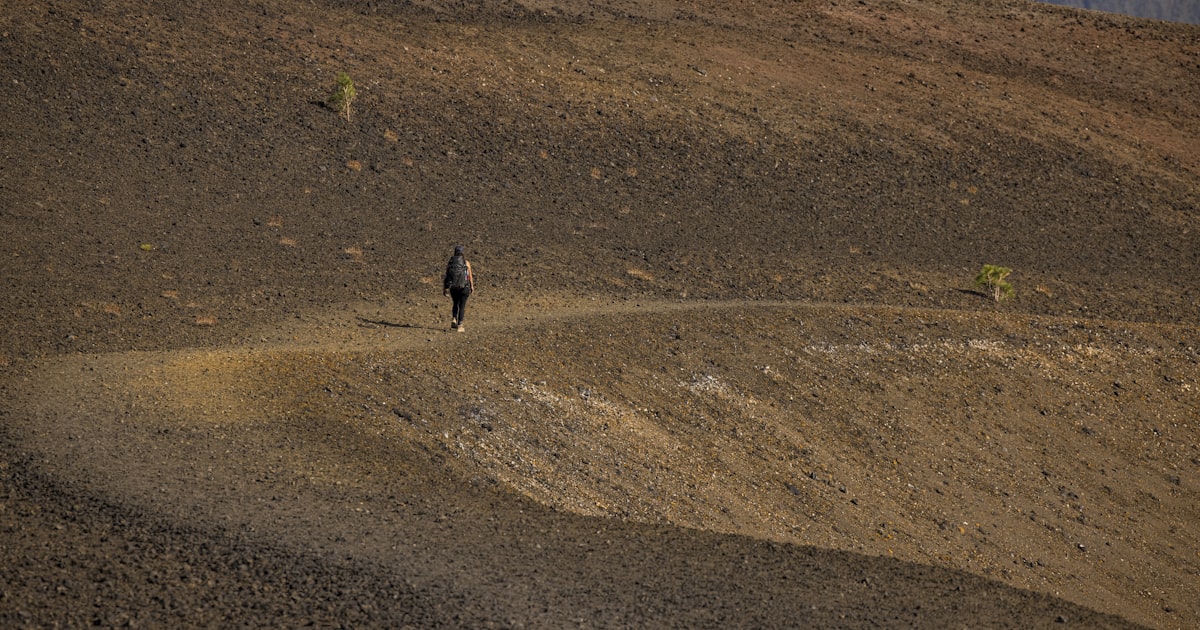
Lassen Volcanic is the national park that most people haven't heard of, which is a shame because it's extraordinary. Tucked into the Cascade Range in northern California, it sees a fraction of the visitors that head to Yosemite or Crater Lake, and yet it offers something neither of those parks has: an active volcanic landscape you can walk through. I went in July, when the main road had finally opened after the spring snowmelt and the Bumpass Hell hydrothermal area was fully accessible, and the experience was unlike anything else I'd done in the parks.
The park sits atop the southernmost active area of the Cascade volcanic arc, the same chain that includes Mount Shasta, Mount Hood, and Mount Rainier. Lassen Peak itself — a plug dome volcano that last erupted significantly between 1914 and 1917 — rises to 10,457 feet and is accessible via a strenuous but non-technical summit trail. The peak's eruption created a moonscape of volcanic debris on its flank that's still recovering more than a century later; the Devastated Area interpretive trail walks you through it and provides a genuinely useful lesson in ecological succession.
Bumpass Hell is the park's most spectacular hydrothermal area — a 16-acre basin of boiling mudpots, steaming fumaroles, and sulfurous vents reached by a 3-mile round-trip trail. The smell hits you before you see it: a sharp sulfur tang that's unmistakable. A boardwalk keeps visitors safely above the features, which include pools heated to 200 degrees or more. It sounds inhospitable and it kind of is, but the combination of pale-colored ground, vivid blue-green pools, and constant hissing steam is genuinely beautiful in a strange way.
The park also has pristine mountain lakes — Manzanita Lake, in particular, reflects the peak perfectly on still mornings and is excellent for canoeing. In late July, the snow had cleared from the road but the lingering white on the volcanic peaks gave the whole park a dramatic backdrop that felt appropriate.