
Olympic National Park does something unusual: it contains three completely different ecosystems within its borders, and none of them look like the others. You can go from dense temperate rainforest — mossy, dripping, green beyond any shade of green you have a name for — to rugged, driftwood-strewn Pacific coastline to high alpine meadows and glaciated peaks, all within the same park. I went in mid-July, when all three zones were accessible, and driving the perimeter of the Olympic Peninsula with the park as the anchor felt like traveling through several different countries.
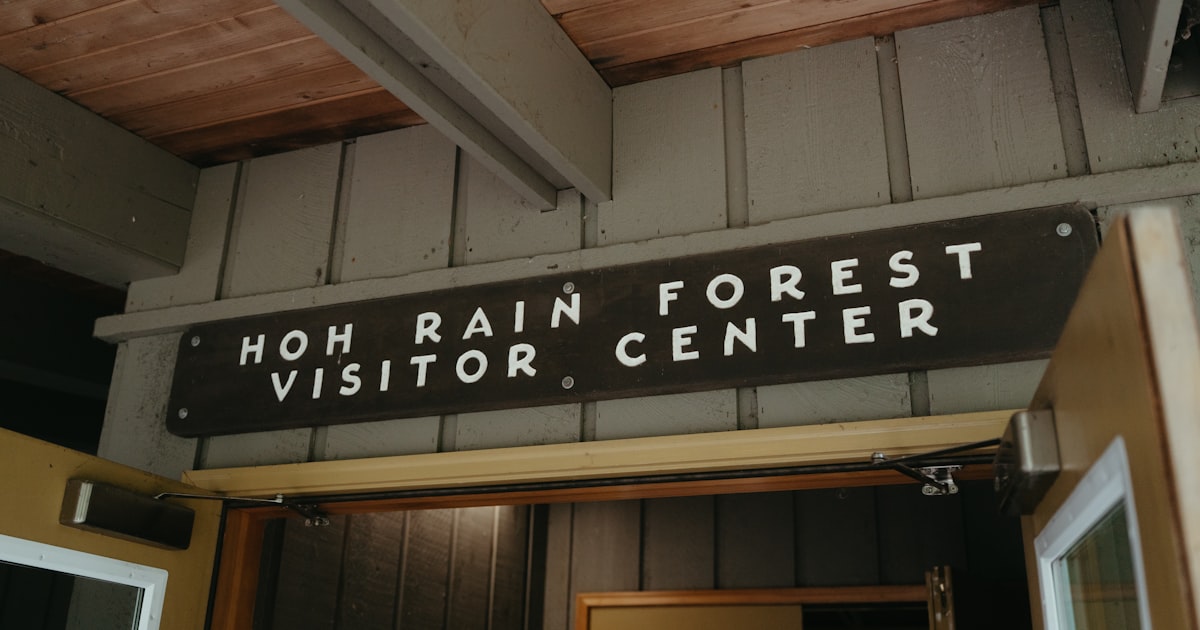
The park occupies most of the Olympic Peninsula in northwestern Washington State, and its isolated geography — surrounded on three sides by water and in the center by the Olympic Mountains, which block most Pacific weather — has created a remarkable degree of ecological distinctiveness. Several species are found only on the peninsula. The temperate rainforest valleys of the Hoh, Quinault, and Queets receive up to 140 inches of rain per year, making them some of the wettest places in the contiguous United States. What grows in that moisture is genuinely startling: old-growth Sitka spruce and western red cedar draped in curtains of club moss, with a forest floor so green it glows. The Hoh Rain Forest trail is a relatively flat walk into this landscape, and it's one of the more transportive experiences I've had in any park.
The Pacific coastline section of the park — accessible at several points including Rialto Beach and Ruby Beach — is a different kind of otherworldly. Sea stacks rise from the surf, huge silvered logs pile up on the beach from upstream rivers, and the scale of the Pacific crashing against the basalt makes everything feel appropriately small. At low tide, the tide pools are filled with sea stars, anemones, and chitons. At high tide, the spray reaches well up the beach.
Port Angeles is the main gateway town on the north side of the peninsula, and Hurricane Ridge, accessible from there by a winding 17-mile road, gives you the alpine zone — open meadows, Olympic marmots, stunning views of the interior peaks. It's a completely different park from the one you walked through at Hoh, and that range is exactly what makes Olympic special.